Updated May 2026

Danville Area Humane Society: A Shelter in Crisis

An Investigation into Operations, Compliance, and Community Impact

dahsfacts.com

May 2026 refresh

What changed in this update

This site has been refreshed to reflect official 2025 Virginia ARR data, May 2026 public reporting, and a clearer evidence standard for record-based claims.

  • 2025 added Official ARR records now show 1,870 of 3,184 animals euthanized in 2025.
  • Eve/Evie context added The May 2026 incident is summarized with disputed facts attributed to each source.
  • Sources expanded The source list now includes official 2025 ARR records and May 2026 news coverage.

Welcome — Why This Site Exists

I was born and raised in Danville, Virginia and call our city home today. I have watched the debate over the Danville Area Humane Society (DAHS) from the sidelines. Like many residents I cared, but assumed others would dig into the numbers and hold the shelter accountable. Over the last two years, however, the discussion has grown sharper, the data have grown clearer, and the personal attacks against anyone who asks hard questions have grown louder. Seeing how quickly constructive voices were labeled, blocked, or shouted down convinced me that an evidence‑based clearing‑house was needed.

As an analyst and engineer, I have experience working with data and public records. When citizens obtained documents through the Freedom of Information Act, I decided to analyze the findings and create this site:

  • Data and claims are sourced to original documents including custody records, euthanasia logs, and state records
  • All FOIA documents are available for readers to verify the findings themselves
  • The focus remains on documented facts rather than personal attacks or speculation

Because those facts have already provoked hostility toward others, I'm presenting the material anonymously. My identity is far less important than the accuracy of the work; let the evidence speak for itself.

Contact Information

While I maintain anonymity for the reasons stated above, I welcome inquiries from those seeking additional information or wishing to provide supplementary documents. You can reach me at contact@dahsfacts.com. All communications will be kept confidential, and I'm particularly interested in hearing from individuals with firsthand knowledge or additional documentation related to DAHS operations.

How the Material Is Organized

Every statistic, quotation, and legal citation on this site links back to its source. Whether you arrive skeptical or already convinced, you will have the same primary materials I used and can draw your own conclusions. Danville's animals and taxpayers are entitled to a fully transparent accounting.

Executive Summary

Updated with official 2025 ARR figures

The Danville Area Humane Society (DAHS), the city's contracted public animal shelter, continues to report unusually high euthanasia rates in official Virginia shelter records. DAHS euthanized 2,797 of 3,499 animals in 2023 (79.9%), 2,213 of 3,362 animals in 2024 (65.8%), and 1,870 of 3,184 animals in 2025 (58.7%)[1][3][19]. The 2025 decline is real, but even after that improvement, more than half of the animals reported through DAHS's state annual record were euthanized.

1,870 of 3,184
Animals euthanized in 2025 (58.7%)[19]
Official ARR data show improvement from 79.9% in 2023 and 65.8% in 2024[1][3]

The public-record question is therefore not whether DAHS has improved; it has. The question is why the shelter still euthanizes animals at a rate far above modern lifesaving expectations, and whether its records, microchip procedures, transfer communication, and legal compliance are strong enough to justify public trust. A coalition of concerned citizens and former volunteers has compiled extensive evidence through Freedom of Information Act (FOIA) records, formal complaints, and eyewitness accounts suggesting systemic issues in DAHS leadership's decisions regarding euthanasia, adoptions, and animal care. These include:

  • Animals being euthanized before legally mandated holding periods expire
  • Denials of adoption applications that could have saved lives
  • Refusals to transfer animals to willing rescue groups
  • Potential violations of multiple Virginia animal welfare laws

DAHS's director and board have largely dismissed these concerns, even as the shelter's performance remains far outside statewide benchmarks and community expectations. This report presents the factual findings in detail, with citations to the city's own records, and contrasts DAHS's practices with the legal requirements and best practices for humane sheltering.

We also summarize community testimonies and complaints that shed light on the human impact of these policies. In conclusion, we identify clear areas where DAHS is deviating from laws and accepted standards, and we offer actionable recommendations for reform. The goal is to ensure greater accountability, transparency, and lifesaving outcomes at Danville's shelter. These changes are critical not only for the welfare of animals, but also to restore public trust and align the shelter with the values of the Danville community and modern humane practices.

Background and Community Concerns

DAHS has served as Danville's primary animal shelter for decades. Its 2025 VDACS intake policy describes it as an "open-admission shelter" and says it does "not turn away any animal for any reason"[25]. Its longtime director, Ms. Paulette Dean, has led the shelter since 1992. Under her tenure, DAHS developed a reputation for very high euthanasia rates, a pattern that has increasingly alarmed citizens and animal welfare advocates.

In recent years, community concern turned into organized action. After it became known that DAHS euthanized 2,797 of 3,499 animals in 2023, an official ARR euthanasia rate of 79.9%[1], various reform efforts emerged. Official ARR data show the rate declined to 65.8% in 2024 and 58.7% in 2025, but those figures still place DAHS well above statewide benchmarks and modern lifesaving expectations[3][19].

High-Profile Incidents

City residents, including former DAHS volunteers and local professionals, began scrutinizing why Danville's shelter outcomes were so poor. High-profile incidents fueled public outcry. For example, a longtime DAHS volunteer wrote a letter to the editor entitled "What can't I adopt?" after she was denied the adoption of a homeless kitten despite offering a loving home[16].

"We immediately tried to adopt it, but were practically told we weren't good enough for it... if a volunteer at the shelter isn't good enough to adopt an animal, then who is?"[16]

In that letter, the volunteer voiced anguish that "so many animals are killed locally when there are so many good families willing to give them good homes," accusing the director (Ms. Dean) of having standards "way too high" and seeming to prefer to euthanize animals rather than find them a home[16].

Citizens Take Action

Note: The following sections describing citizen actions, city officials' responses, and shelter leadership's responses are based on information contained in the formal complaint filed with VDACS in October 2024[17], which includes supporting documentation, emails, and witness accounts.

By 2023 and 2024, a coalition of citizens including former volunteers, local animal rescue advocates, veterinarians, and others banded together to demand change. They used FOIA requests to obtain internal shelter records, such as animal intake ("custody") forms, euthanasia logs, and staff certifications, in order to understand what was happening behind closed doors. Their review identified evidence of policy and procedure violations, poor record-keeping, and serious governance concerns contributing to the shelter's poor outcomes.

In late 2024, three citizens (Tanya Martin, Cherie Tamson, and Dr. Olivia Reid) filed a comprehensive complaint to the Virginia Department of Agriculture and Consumer Services (VDACS), the state agency overseeing animal shelters. This complaint chronicled numerous apparent violations of Virginia law by DAHS and called for a state investigation. Around the same time, Best Friends Animal Society launched a campaign called "Danville Deserves Better" as part of their national No-Kill 2025 initiative, also calling for reforms at DAHS.

City Officials' Response

City officials' responses, however, have been mixed and at times openly unsupportive of reform efforts. According to records obtained by citizens:

  • Danville's City Manager and some Council members initially resisted calls to intervene
  • Activists who requested a City Council work session or presentation on shelter issues were rebuffed by City Manager Ken Larking[17]
  • When Councilman Larry Campbell Jr. proposed discussing DAHS's problems, Mayor Alonzo Jones sharply rebuked him, going so far as to yell at the councilman and block the idea of a work session[17]
  • The Mayor publicly stated that the City Council "stands behind DAHS one hundred percent," effectively dismissing the serious concerns that had been raised

FOIA-obtained emails between city officials and DAHS leadership reportedly reveal a very close, one-sided relationship[17], with city authorities often deferring to the shelter's management and discouraging scrutiny. This dynamic has left many citizens feeling that normal avenues of accountability were closed.

Shelter Leadership's Response

In parallel, shelter leadership's engagement with critics has been defensive and opaque. The DAHS Board President and members responded to community questions primarily through social media, where they:

  • Blocked critics and dismissed any concerns about high euthanasia numbers as "bullying" or "hate"
  • Board President Kathleen Contratto refused to meet with the citizen group and publicly criticized them in online posts[17]
  • Ms. Dean reportedly blocked concerned community members from the shelter's Facebook page[17]
  • When DAHS held its annual membership meeting (August 2024), Ms. Dean denied entry to members of the activist group despite their having RSVP'd and even enlisted police officers at the door[17]

In a local news interview in late 2024, Ms. Dean acknowledged, "the shelter's euthanasia rates have not gone down," but noted "donations to the shelter are up," a statement advocates criticized as insufficiently focused on lifesaving performance.

Context and Challenges

It is important to note that DAHS's challenges occur in a context that is difficult but not unique in the animal sheltering world. DAHS's own policy says it is open admission, and according to Ms. Dean, in 2024 DAHS took in over 1,000 animals that other area shelters refused to admit[13], effectively handling a regional burden.

That operating context matters. But the 2025 VDACS policy review lets the claim be tested directly: among Public Animal Shelter reports whose intake-policy text explicitly uses open-admission or open-intake language, every other shelter in the 17-shelter cohort reported a lower euthanasia rate than DAHS. The comparison should use ARR euthanasia rate, not shorthand such as save rate or live-release rate[7].

May 2026 Update: Eve/Evie and Renewed Public Scrutiny

New section added May 2026

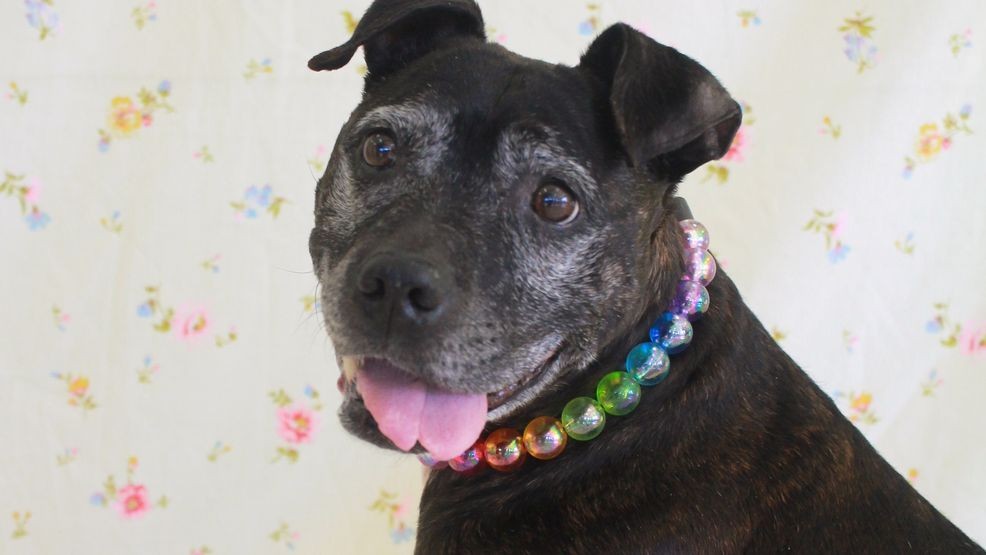
In early May 2026, regional news outlets reported that Eve, a 12-year-old dog associated with the Lynchburg Humane Society, was euthanized after being surrendered to DAHS. The incident drew intense public criticism because it centered on the same operational questions raised throughout this site: microchip lookup, communication with transfer or adoption partners, capacity-driven euthanasia, and transparent records.

Eve, the dog at the center of May 2026 reporting about DAHS and Lynchburg Humane Society
Photo of Eve published in WSET's May 2026 coverage. Source: WSET.

This incident includes disputed facts. DAHS says staff scanned and recorded a microchip but were told by a chip company that it was unregistered; Lynchburg Humane Society disputes the adequacy of that lookup and says a standard search would have identified LHS. DAHS says no adoption or rescue interest existed before euthanasia, while its own statement says an adoption partner contacted DAHS almost immediately after euthanasia. The summary here attributes those positions rather than treating either party's account as settled fact.

WSET and WSLS reported that Lynchburg Humane Society said it would have taken Eve back if contacted, while DAHS Director Paulette Dean said DAHS did not know Eve had come from LHS and would have returned her if staff had known[20][21]. DAHS later said it would add a question to intake forms asking where an animal came from[22].

On May 8, 2026, Cardinal News reported that Sen. Bill Stanley said he would work to force changes at DAHS, including possible legislation, unless improvements are made[23]. That is a political response, not an enacted legal outcome. The records still matter: the public needs a careful accounting of what DAHS reports, what the underlying documents show, and what remains disputed.

Documented Practices at DAHS (Evidence from FOIA Records)

Extensive FOIA records including thousands of pages of animal custody forms, euthanasia logs, and internal correspondence were analyzed to assess DAHS's adherence to laws and best practices. Unfortunately, the evidence reveals numerous problematic practices. Below is a summary of key findings, each supported by specific documentation:

Euthanizing Animals Before Legal Holding Periods

423 violations in 2023[5]

In 423 separate instances in 2023, animals listed as strays (or in bite quarantine) were euthanized before the mandated hold period expired[5]. These animals should have been kept alive for at least 5 days (10 days if evidence of identification) barring emergency circumstances, yet they were put down early. This directly violates Code § 3.2-6546(C) and undermines owners' chance to reclaim lost pets. It indicates a practice of quick euthanasia that flouts state-required waiting periods.

View Detailed Evidence →

Immediate Owner Surrenders Without Proper Consent

Virginia law (§ 3.2-6546(F)) allows a shelter to euthanize an owner-surrendered pet without a hold period only if the owner signs a specific waiver. FOIA records uncovered multiple "Owner Surrender" forms where the owner's signature appears on a blank line, but there is no indication that the required surrender waiver was provided or explained. Despite the missing legal consent, those animals were euthanized right away, another clear violation of procedure that could expose the shelter and city to liability.

See Documentation →

Chaotic and Incomplete Record-Keeping

754 forms with multiple animals[10] 217 data errors[10] 160 missing records[10]

The quality of DAHS's animal custody records is exceedingly poor. The citizen audit of FOIA records found that 754 custody forms (out of ~2,200 provided) contained multiple animals on a single form, even though each animal should have its own record[10]. Many forms were illegible, numbered non-sequentially, and missing large blocks of ID numbers, making it impossible to track specific animals properly. Critically, the analysis identified at least 217 errors or inconsistencies in key data fields (intake dates, species/breed, reasons for intake, disposition dates, etc.) across the records[10].

Review Analysis →

Outcome Discrepancies (Possible Data Misreporting)

24 falsified records[8]

The FOIA review identified 24 cases where the outcome recorded on the animal's custody record was "Adopted," "Transferred," or "Returned to Owner," yet the same animal's ID later appeared in the euthanasia log as having been euthanized[8]. In other words, the paperwork indicated the animal left the shelter alive, while internal logs showed a euthanasia outcome. The complaint to VDACS characterized these discrepancies as evidence of possible misrepresentation.

Examine Evidence →

Delayed Euthanasia of Suffering Animals

48 animals left to suffer[9]

The records also show instances of animals left in the shelter without timely euthanasia or veterinary care. The FOIA review noted 48 cases in 2023 where animals that were documented as sick, severely injured, or unweaned (fragile neonates) were not euthanized or treated for an extended period[9]. They remained in custody for days despite documented medical concerns.

Read Details →

Failure to Scan for Microchips and Reunite Owners

< 1% of strays scanned[6]

Despite state law requiring shelters to scan stray pets for microchips at intake and other stages, DAHS's records show very few notations of microchip scanning. In fact, out of over 1,700 animals labeled as "stray" in the records, fewer than 20 had any indication that a microchip scan was performed[6]. It is highly improbable that only 1% of strays had microchips; rather, it appears DAHS staff were not consistently scanning animals or not documenting it.

Learn More →

Improper Handling of Out-of-State Animals

25 cases without health certificates[11]

Records showed at least 25 cases where DAHS accepted animals transferred from out-of-state sources with no evidence of the required health certificates[11]. Bringing in animals from other states without veterinary certificates of health (and proof of rabies vaccination where applicable) violates Virginia's import regulations. It also poses disease risks to the local animal population.

View Details →

Euthanasia Protocol Violations (Sedation and Techniques)

Some of the most serious findings involve deviations from mandated euthanasia procedures, raising questions about humane treatment. State Veterinarian's Directive 79-1 requires that animals (except in extreme emergent cases) be tranquilized prior to euthanasia, to minimize distress. DAHS's own written protocol (the AC6 form on file) specifies using a sedative, Acepromazine, for this purpose. However, none of the 2023 euthanasia log entries provided by DAHS show any record of sedatives being administered.

Investigate Further →

Inadequate Staff Certification and Training

The investigation into DAHS's practices also revealed that two out of the three staff members performing euthanasia in 2023 were not properly certified under state requirements. In fact, their certification forms (signed by the supervising veterinarian) failed to have the checkbox ticked for having demonstrated understanding of the State Vet's euthanasia guidelines (Directive 79-1).

Review Findings →

Questionable Dosages of Euthanasia Solution

The euthanasia log data that was recorded raises further concerns about either accuracy or technique. In a significant number of cases, the amount of sodium pentobarbital solution recorded as given exceeded the expected dose based on the animal's weight. In many instances, the volume (in mL) was greater than the animal's weight in pounds.

See Analysis →

Incomplete and Unprofessional Euthanasia Records

State regs (18 VAC 110-20-580(6)) require a "complete and accurate" log of all euthanasia drug administrations. However, DAHS's handwritten euthanasia log for 2023 is far from complete. The log entries (often scrawled in hard-to-read handwriting) routinely omit critical information.

Examine Records →

In aggregate, these findings portray a shelter operating with serious deviations from required policies and best practices. Animals at DAHS in 2023 were often not given the legally mandated chance to be reclaimed or adopted, were sometimes left in suffering, and were routinely killed in a manner that sidestepped safeguards (like sedation and proper documentation) that laws put in place to ensure humane treatment. It is important to stress that each of these points is backed by specific evidence (forms, logs, emails) obtained directly from DAHS through FOIA, as cited above. This is not a matter of hearsay; it's a matter of documented fact.

Analysis of Policy Deviations and Potential Misconduct

When comparing DAHS's documented practices to the governing laws and to standard shelter protocols, it becomes clear that multiple legal violations and policy breaches have likely occurred. This section analyzes those deviations in detail and considers the implications:

1. Violation of State Holding Period Law

The fact that hundreds of animals were euthanized before 5-day/10-day hold requirements were met is a direct violation of Code § 3.2-6546(C)[5]. Unless those animals were irremediably suffering (and the records do not indicate that for the majority; they were simply listed as "stray" or routine bite quarantine cases), euthanizing them early is illegal.

Legal Impact

  • Each instance could be considered a separate offense
  • 423 violations in one year expose the City of Danville to potential penalties under § 3.2-6546(K)[5]
  • Fines could reach up to $1,000 per animal per day
  • City could face lawsuits for unlawful destruction of property

2. Disregard for Owner Surrender Protocols

Euthanizing owner-surrendered pets on arrival without the proper written waiver violates § 3.2-6546(F). The legal requirement is there to ensure owners are fully informed and agree, in writing, that their pet may be immediately put down.

Ethical Implications

If DAHS accepted pets and euthanized them without that step, it not only violated the law but also created a serious risk of misrepresentation if an owner was told or reasonably assumed their surrendered pet might be evaluated for adoption.

3. Noncompliance with Record-Keeping and Reporting Standards

DAHS's convoluted record system (multiple animals on one form, missing records, and numerous errors) violates the spirit if not the letter of § 3.2-6557.

754
Forms with multiple animals
Making individual tracking impossible

By lumping many animals together, DAHS made it impossible to track individual outcomes as required. This practice could be seen as an attempt to obscure high euthanasia numbers, or it could simply be sloppy work. Either way, it is not acceptable.

4. Evidence of Outcome Misreporting

The discovery that some animals recorded as adopted or transferred were also listed in euthanasia logs is a serious record-integrity problem. If intentional, those discrepancies could amount to false reporting; if accidental, they still undermine public confidence in the shelter's data.

Even if done accidentally, the frequency of such errors (24 known instances) is alarming. Transparency and honesty are foundational to any organization entrusted with public duties, especially one handling lives and taxpayer funds.

5. Humane Treatment and Duty of Care

Leaving sick or injured animals untreated and suffering for days is not only unethical but may breach Code § 3.2-6566 (duty to prevent cruelty). A shelter is supposed to be a refuge that alleviates suffering either through veterinary care or, if an animal is beyond recovery, a humane end to pain.

The fact that dozens of animals (e.g. gravely injured strays, terminally ill pets, or unweaned neonates) remained without timely care raises neglect concerns under the duties cited above.

6. Failure in Efforts to Reclaim Lost Pets

The near absence of microchip scanning records is a glaring failure. It likely means lost pets that ended up at DAHS had little chance of being reunited with owners – a tragic lost opportunity. This practice violates § 3.2-6585.1 on its face.

< 20
Out of 1,700+ strays scanned
Virtually no effort to reunite pets with families

7. Noncompliance with Import Regulations

By taking in animals from other states without health certificates, DAHS put itself at odds with 2 VAC 5-141-80. This could draw sanctions from the Board of Agriculture or State Vet if discovered. More importantly, it risks outbreaks.

8. Euthanasia Procedure and Ethical Lapses

The cluster of issues around euthanasia (lack of sedation, incomplete training, log discrepancies) goes to the heart of humane practice.

Key Violations

  • If sedatives were not being given, DAHS was routinely violating the State Vet's prescribed humane method
  • Animals likely experienced fear or pain that was avoidable
  • Operating with uncertified technicians voids assurances that staff know proper procedures
  • Could trigger revocation of DAHS's permit to use controlled substances

9. Adoption and Transfer Reluctance

While the hard evidence in documents mostly covers intakes and euthanasia, the policies that led to so few adoptions and transfers are worth examining. The volunteer's letter about being denied a kitten adoption exemplifies an overly restrictive adoption policy that favors saying "no" over "yes".

2024 Improvement Shows What's Possible

The 2024 increase in transfers to other shelters coincided with a notable drop in euthanasia, from 79.9% in 2023 to 65.8% in 2024. The available records indicate that the main difference was not a large change in intake, but a change in approach: more animals were transferred out to partners.

10. Transparency and Accountability Issues

Lastly, the manner in which DAHS leadership and certain city officials responded to concerns raises governance issues. The hostile stance – blocking citizens, refusing dialogue, denying access to meetings – is the opposite of how a public service organization should behave when confronted with legitimate criticism.

Virginia law actually anticipates this by allowing fines if a locality doesn't operate its shelter to standard. It is in Danville's interest to correct course now, before the state finds cause to intervene.

In summary, the analysis reveals that DAHS under its current leadership has operated outside the bounds of both law and best practice on multiple fronts. Whether these failings are due to insufficient resources, antiquated philosophy, or willful disregard, the outcome is the same: unnecessarily high animal death rates and public dissatisfaction.

Statistical Overview of DAHS Intake and Outcomes

Updated through 2025

Using data reported to the Virginia Department of Agriculture and Consumer Services (VDACS) and information from DAHS records, we can quantify just how divergent DAHS's outcomes have been compared to benchmarks.

DAHS Intake vs. Euthanasia, 2023–2025

Year ARR Total Animals Euthanized Euthanasia Rate Non-Euthanasia Share VA Public Shelter Aggregate
2023 3,499 2,797[1] 79.9%[1] 20.1% 14.3%[2]
2024 3,362 2,213[3] 65.8%[3] 34.2% 13.8%[4]
2025 3,184 1,870[19] 58.7%[19] 41.3% 13.0%[24]

Sources: VDACS annual shelter statistics

Critical Points

  • In 2023, 79.9% of animals in DAHS's official ARR disposition total were euthanized[1].
  • The official rate declined to 65.8% in 2024 and 58.7% in 2025[3][19].
  • Those improvements are significant, but the 2025 figure still means DAHS euthanized 1,870 animals in one year.
  • In 2025, DAHS's 58.7% rate was 4.5 times the official Virginia Public Animal Shelter aggregate of 13.0%[24].
  • The table uses "non-euthanasia share" rather than "save rate" because live release, save rate, and non-euthanasia outcome are not always the same measure.

Lives Lost: The Numbers

Cats

1,753[12]

Euthanized in 2023

1,143[12]

Euthanized in 2024

Dogs

~1,000+

Euthanized annually

Key Insights

  • Both shelter management and the reform advocates agree that a key factor in the 2024 improvement was increased transfers of animals to other shelters/rescues.
  • This confirms that animals which DAHS would previously have euthanized were instead relocated to organizations with capacity to rehome them – a practice that could have been employed in 2023 and earlier, but wasn't.
  • DAHS's intake numbers (around 3,300–3,500 animals annually) are high, but official 2025 peer data do not support volume as a complete explanation.
  • Among Virginia Public Animal Shelter reports with total ARR disposition volume at or above DAHS's 3,184 animals in 2025, every other facility reported a lower euthanasia rate.

National Context

It's useful to put DAHS's performance in the context of trends. Nationally, shelter euthanasia has been declining for years as shelters implement better practices. By 2020, the majority of U.S. communities had reached "no-kill" status (generally defined as a 90% or greater live release rate) thanks to support from organizations like Best Friends Animal Society, HSUS, and state/local coalitions.

Danville appears to be a clear outlier in this regard. The statistics suggest that Danville's shelter is operating with practices that lag behind current lifesaving models. The community response shows growing pressure for a different approach.

Fiscal Perspective

From a fiscal perspective (important for City Council), high euthanasia can be a sign of inefficiency. Each euthanized animal still incurs costs (intake processing, holding for some period, euthanasia drugs and disposal), yet yields no positive outcome for the community. In contrast, animals adopted or transferred out alive generate adoption fees, volunteer engagement, and reduce shelter burden.

So improving these statistics is not just about morality; it can make economic sense as well, by potentially lowering the per-animal care cost through community involvement and external support.

Public Sentiment and Testimonies

Public sentiment in Danville regarding DAHS's performance has been one of growing concern, frustration, and a desire for change. Over the past two years, numerous citizens have come forward with personal testimonies that illustrate a disconnect between the shelter's current policies and the community's values.

Volunteers Feeling Shut Out

Perhaps the most striking account came from a former DAHS volunteer (Kara K. Long) who, in a published letter, described how even she – as an active shelter helper – was deemed "not good enough" to adopt a homeless kitten from DAHS.

"If a volunteer at the shelter isn't good enough to adopt an animal, then who is?"

Her letter expressed heartbreak that the kitten she wanted to save was left in a shelter that ultimately prefers to euthanize:

"I hate that so many animals are killed locally when there are so many good families willing to give them good homes… It seems to me [the director] just prefers to kill an animal rather than find it a home."

This emotional plea struck a chord with many residents. It shone a light on overly stringent adoption policies and a lack of appreciation for volunteers (she noted never being thanked for her service).

Organized Reform Campaigns

In mid-2024, Best Friends Animal Society, a national animal welfare organization, launched "Danville Deserves Better" as part of its No-Kill 2025 initiative. By May 2026, scrutiny had intensified again after the Eve/Evie incident and public statements from state Sen. Bill Stanley about possible legislative action[23]. The emergence of local, state, and national advocacy signals that the public was no longer content to hope for internal change and began applying external pressure.

Campaign Activities:

  • Started a pet food pantry to help reduce owner surrenders
  • Sponsored low-cost spay/neuter clinics
  • Relentlessly brought the shelter's statistics and issues to the attention of media and government

"Those are animals that have made it out alive that might not have last year."

— Dave Wesolowski, Campaign Manager

Social Media and Public Discourse

Social media discussions (Facebook, local forums) further reflect public sentiment. On posts about the shelter's euthanasia rates, citizens have expressed outrage and sorrow, especially when specific stories (like a pet being euthanized quickly or a rescue offer being turned down) circulate.

The FOIA complaint document references multiple "screenshots of conversations" between concerned citizens and DAHS representatives[17]. Those screenshots show DAHS officials often responding defensively. They accuse critics of spreading misinformation, even as factual data was being presented by those critics.

City Council and Leadership's Stance

Public sentiment can also be gauged by elected officials' actions, since they respond to constituents. As described earlier, most of the Danville City Council, at least initially, rallied in support of the status quo.

However, there have been signs of openness among some council members:

  • Two councilmen, Madison Whittle and Bryant Hood, took the initiative to visit a successful no-kill shelter in Lynchburg to learn about their operations[17]
  • Councilman Whittle even met with a member of the advocacy group after that visit to discuss his thoughts
  • Councilman Larry Campbell's attempt to get a work session on the issue – though shut down – signals that he, too, heard the public concern and tried to act[17]

Public comment periods at council meetings saw citizens using their three-minute allotments to plead for the animals. The persistence of citizens showing up to speak indicates that a dedicated segment of the public cares deeply and is urging their representatives to act.

Overall Public Trust

Unfortunately, the cumulative effect of the above has been an erosion of public trust in DAHS's leadership. A humane society relies on goodwill – people donate to it, volunteer for it, and bring animals to it trusting they'll be cared for.

When volunteers feel unappreciated or pushed out, donors see persistently high euthanasia rates in official records, and potential adopters are turned away, trust erodes.

"The shelter's euthanasia rates have not gone down, however the donations to the shelter are up."

— Ms. Dean, DAHS Director (2024)[18]

Advocates interpreted that statement differently: donations may increase because residents want to help animals or enable change, not necessarily because they endorse current management.

In essence, community testimonies and sentiment paint a picture of a city that cares about its animals and is increasingly unwilling to accept high euthanasia outcomes as routine. Danville's citizens have shown they will step up - whether by offering homes to pets, volunteering time, or raising funds - but they expect the shelter to cooperate and embrace these life-saving efforts, not hinder them.

Recommendations for Reform

To transform the Danville Area Humane Society into a shelter that the community and city can support with confidence, a series of comprehensive reforms is necessary. These recommendations address the legal compliance issues identified, the operational and cultural changes needed, and steps to rebuild public trust.

1. Leadership and Policy Overhaul

The City and DAHS board should critically evaluate whether current leadership is capable of embracing necessary changes. If not, leadership change may be warranted. At minimum, DAHS's board must enact new policies that prioritize lifesaving.

Action Items:

  • Set clear, measurable live-outcome and euthanasia-reduction goals with public monthly reporting
  • Hold the director accountable for progress
  • Shift culture from gatekeeping to openness and community collaboration
  • Welcome volunteers and rescues as partners, not adversaries

2. Immediate Compliance with All Virginia Shelter Laws

DAHS must cease any unlawful practices immediately. City officials should send a clear directive that no further violations will be tolerated.

Required Actions:

  • Honor the full stray hold period for every animal (no non-emergency euthanasia before 5 days)
  • Obtain proper owner surrender euthanasia waivers for any pet relinquished by an owner
  • Scan every incoming animal for microchips and document those attempts
  • Provide compliance training workshop for all staff on state codes

3. Modernize Record-Keeping and Transparency

The paper records system at DAHS should be replaced with a modern animal shelter management software platform.

Recommended Systems:

  • Shelterluv
  • PetPoint
  • Chameleon

These systems enforce one-animal-per-record data entry and allow easy tracking of outcomes, medical treatments, etc.

Transparency Requirements:

  • Publish monthly intake and outcome statistics on website/social media
  • Implement routine auditing of records
  • Provide public access to non-confidential data

4. Improve Euthanasia Protocols and Oversight

DAHS must strictly follow humane euthanasia protocols. Every staff member involved in euthanizing animals should have their certifications reviewed and brought into full compliance.

Protocol Checklist for Each Euthanasia:

  • Confirm hold period is met (unless owner-requested or true emergency)
  • Confirm microchip scan done
  • Confirm sedative given
  • Calculate proper dosage of solution for the animal's weight
  • Ensure two personnel sign off on the procedure

5. Strengthen Efforts to Save Lives

To drastically reduce euthanasia, DAHS needs to amplify programs that get animals out of the shelter alive:

Adoption Reforms

  • Revise screening criteria to be reasonable and inclusive
  • Default answer should be "yes" unless demonstrable risk
  • Eliminate overly invasive or subjective barriers
  • Provide customer service training to staff

Rescue Partnerships

  • Proactively partner with rescue groups and other shelters
  • Develop approved rescue partner list
  • Contact partners before considering euthanasia for space
  • Participate in state-wide networks and transport programs

Foster Care Program

  • Establish formal foster program for special needs animals
  • Recruit fosters via social media
  • Support fosters with food and medical care
  • Focus on neonatal kittens, recovering dogs, etc.

Volunteer Engagement

  • Reinvigorate volunteer program with clear roles
  • Welcome back former volunteers
  • Show appreciation for their work
  • Utilize volunteers as adoption ambassadors

Enhanced Owner Reunification

  • Upload photos of found strays daily to website/Facebook
  • Work with animal control for field returns
  • Hold periodic microchip clinics
  • Make reunification a priority metric

6. Compliance with Veterinary Care and Cruelty Prevention

Develop written protocols for handling sick/injured animals upon intake.

Required Protocols:

  • Any seriously ill/injured animal evaluated by vet within 24 hours
  • Partnership with local veterinarians or emergency clinic
  • Daily "rounds" to check each animal's health status
  • Fast-track decisions on care or humane euthanasia
  • Document all decisions for transparency

7. City Oversight and Support

The Danville city government must take a more active role in monitoring and supporting the shelter.

Contractual Clauses

Amend the service contract with DAHS to include:

  • Specific performance metrics using clearly defined live-outcome measures
  • Maximum allowable euthanasia rate
  • Compliance with state laws requirement
  • Detailed quarterly reporting requirements
  • Failure consequences (funding reduction/contract termination)

Regular Audits/Inspections

  • Conduct announced and unannounced facility inspections
  • Review records quarterly
  • Invite State Vet inspector participation

City Council Engagement

  • Hold public work session on DAHS
  • Bring together all stakeholders
  • Openly discuss issues and progress
  • Get public commitments to reform

Funding and Resource Allocation

  • Identify specific improvement needs
  • Consider targeted funding increases
  • Make funding contingent on demonstrable changes
  • Support community spay/neuter programs

8. Community Relations and Public Image Repair

DAHS should make concerted efforts to win back public trust.

Steps to Rebuild Trust:

  • Public acknowledgment of past issues and pledge to improve
  • Host open house events for transparency
  • Use social media to share positive stories and progress
  • Report monthly statistics and improvements
  • Transform critics into champions through engagement

9. Continuous Improvement via External Input

DAHS should not operate in a vacuum. There are national and state resources to help shelters improve.

Available Resources:

  • Virginia Federation of Humane Societies
  • HSUS Shelter Services assessment
  • Best Friends Animal Society no-kill program
  • Peer shelter visits and learning exchanges

Conclusion

Implementing these recommendations will not be without challenges. Change can be uncomfortable, and there may be some resistance from those used to the old ways. However, the evidence and public demand make clear that status quo is not an option.

Danville's animals and citizens have paid a heavy price under the current system. The reforms above provide a roadmap to a more humane and effective shelter system that complies with the law and aligns with modern standards.

By committing to these changes, Danville can turn its shelter into a point of pride rather than controversy. The 2025 public-shelter benchmark shows that high volume does not require DAHS-level euthanasia: same-or-higher-volume Virginia Public Animal Shelter reports all reported lower euthanasia rates.

The lives of thousands of animals each year, and the conscience of the community, depend on decisive action. It's time for Danville to deliver on the promise of better outcomes for its animals and to serve as a model of positive change in animal welfare.

Sources

Source list expanded May 2026

[1] Virginia Department of Agriculture and Consumer Services (VDACS) Annual Shelter Statistics, 2023. See Performance Analysis for detailed breakdown. Original data available in FOIA documents.

[2] VDACS Public Animal Shelter aggregate, 2023: 19,227 euthanized of 134,105 total ARR dispositions, a 14.3% aggregate euthanasia rate. See Benchmarking Analysis.

[3] VDACS Annual Shelter Statistics, 2024. 2,213 of 3,362 animals euthanized (65.8% rate). View official ARR report.

[4] VDACS Public Animal Shelter aggregate, 2024: 18,096 euthanized of 130,925 total ARR dispositions, a 13.8% aggregate euthanasia rate. See Benchmarking Analysis.

[5] Analysis of DAHS custody records obtained via FOIA, documenting 423 instances of animals euthanized before legal holding periods expired in 2023. See Holding Period Violations for detailed documentation.

[6] FOIA document analysis: Of 1,700+ stray animals in 2023 custody records, fewer than 20 showed evidence of microchip scanning. See Microchip Compliance Failures.

[7] VDACS 2025 comparative analysis: DAHS ranked #1 by euthanasia rate among 110 official Public Animal Shelter reports. See Benchmarking Analysis.

[8] FOIA document analysis: 24 cases identified where animals recorded as "Adopted," "Transferred," or "Returned to Owner" appeared in euthanasia logs. See Falsified Records Documentation.

[9] FOIA custody records review: 48 animals documented as sick, injured, or unweaned were not provided timely care or euthanasia in 2023. See Animal Suffering Documentation.

[10] Citizen audit of FOIA records: 754 forms contained multiple animals (should be one per form), 217 data errors/inconsistencies identified, 160 custody form numbers missing from sequence. See Record-Keeping Analysis.

[11] FOIA review: 25 documented cases of out-of-state animal transfers lacking required health certificates. See Import Violation Documentation.

[12] DAHS euthanasia statistics by species: Cats euthanized - 1,753 in 2023, 1,143 in 2024. Derived from VDACS annual reports and FOIA euthanasia logs. See Species-Specific Data.

[13] Statement by DAHS Director Paulette Dean in 2024 public communications regarding regional intake burden. As reported in local media coverage and city council discussions.

[14] Benchmark note: peer and statewide comparisons should be matched by year, shelter type, and metric definition. This refresh avoids treating "save rate," "live release rate," and non-euthanasia share as interchangeable.

[15] Historical note: earlier public reporting used varying 2023 figures and shorthand such as "save rate." This site now uses official ARR euthanasia numerators and denominators for its own annual calculations.

[16] Letter to the Editor: "What can't I adopt?" - A longtime DAHS volunteer's account of being denied adoption of a homeless kitten. View newspaper article.

[17] Formal complaint filed with Virginia Department of Agriculture and Consumer Services (VDACS) by Tanya Martin, Cherie Tamson, and Dr. Olivia Reid, October 2024. View VDACS Complaint.

[18] Local news interview with DAHS Director Paulette Dean, late 2024. Director acknowledged euthanasia rates had not decreased while noting donations had increased. Referenced in VDACS complaint documentation.

[19] VDACS Annual Shelter Statistics, 2025. 1,870 of 3,184 animals euthanized (58.7% rate). View official ARR report.

[20] WSET, "She was a superstar: LHS shelter favorite euthanized in Danville, sparking questions," May 5, 2026. View source.

[21] WSLS, "Lynchburg Humane Society demands answers after beloved dog euthanized at Danville Humane Society," May 6, 2026. View source.

[22] DAHS public statement regarding Eve/Evie, May 2026, and related WSET follow-up reporting. View DAHS statement.

[23] Cardinal News, "'They're out of chances': Sen. Bill Stanley threatens to shut down Danville animal shelter after recent euthanasia," May 8, 2026. View source.

[24] VDACS Public Report, 2025 Public Animal Shelter category: 17,368 euthanized of 133,732 total ARR dispositions, a 13.0% aggregate euthanasia rate. View official ARR aggregate report.

[25] DAHS 2025 VDACS intake policy. The policy says DAHS is an "open-admission shelter" and says it does "not turn away any animal for any reason." View intake policy.